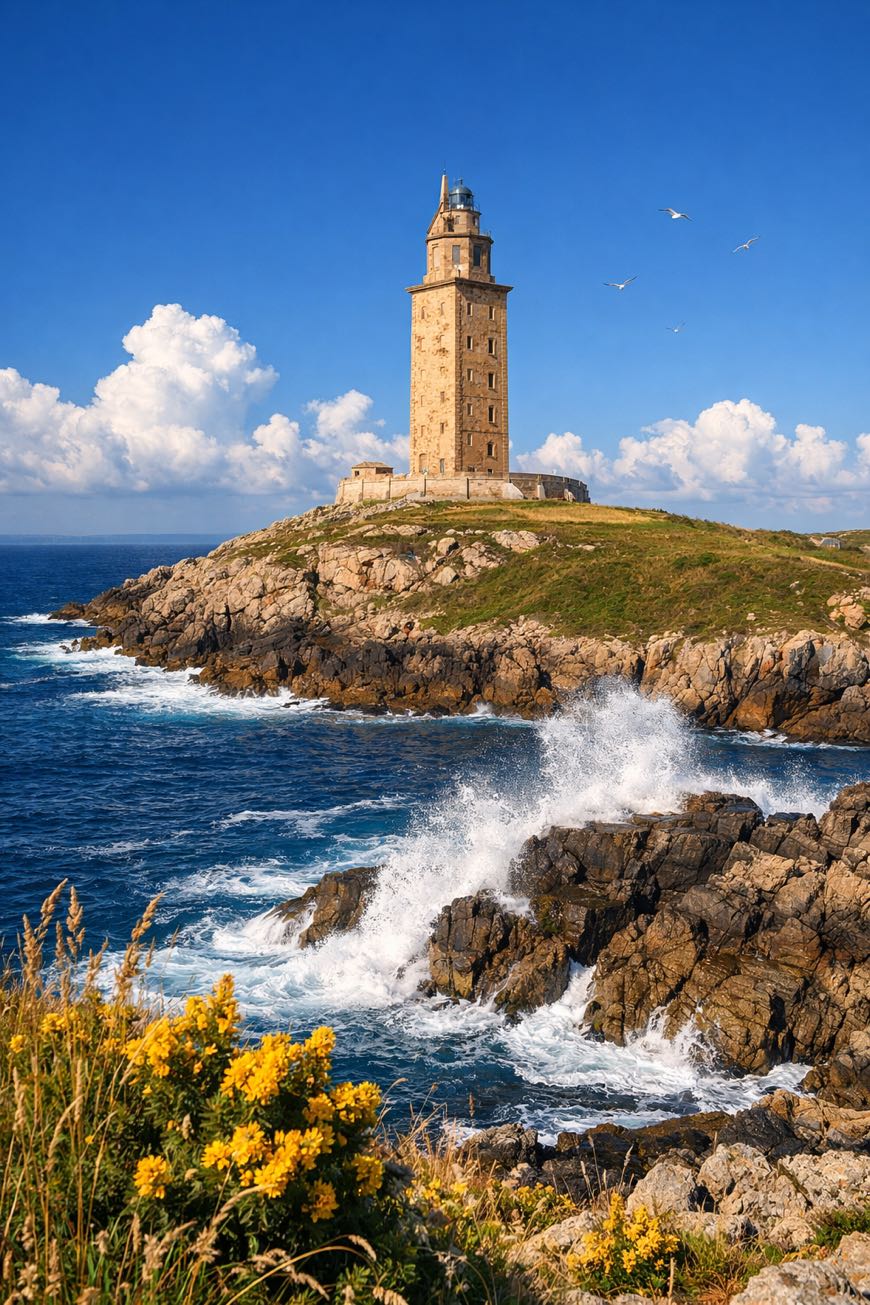
Camino Inglés (A Coruña)
Galicia, Spain, Spain
Spain · A Coruña, Spain → Santiago de Compostela, Spain
Distance
73 km
Stages
4
Difficulty
easy
Best months
Apr-Jun, Sep-Oct
Camino Inglés (A Coruña) · Stages and distances
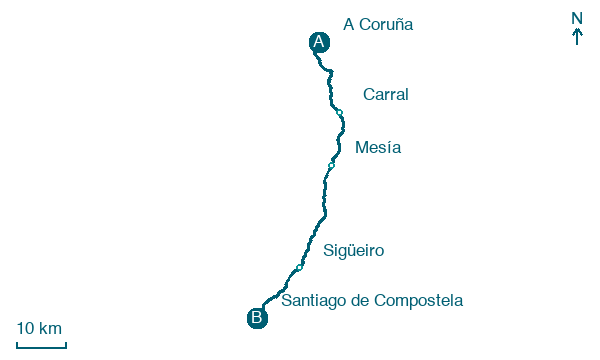
Walking distances for Appy’s stages (4)
| Stage | km |
|---|---|
| 1. A Coruña → Carral | 20 |
| 2. Carral → Mesía | 12.6 |
| 3. Mesía → Sigüeiro | 24.2 |
| 4. Sigüeiro → Santiago de Compostela | 16.1 |
| Total | 72.9 |
About
From the Tower of Hercules to Santiago, about 75 km of lush Galicia unfolds. Four stages weave through medieval Betanzos, where the scent of woodsmoke mingles with the salty breeze from the Eume River.
Once a maritime route for medieval travelers, the Camino Inglés invites modern seekers to step into history, tracing paths lined with ancient churches and vibrant culture. Rolling hills and well-marked trails make this journey accessible year-round, ideal in spring and autumn.
Each step reveals not just landscapes, but a deeper connection to self and place.
Stages
4 stages
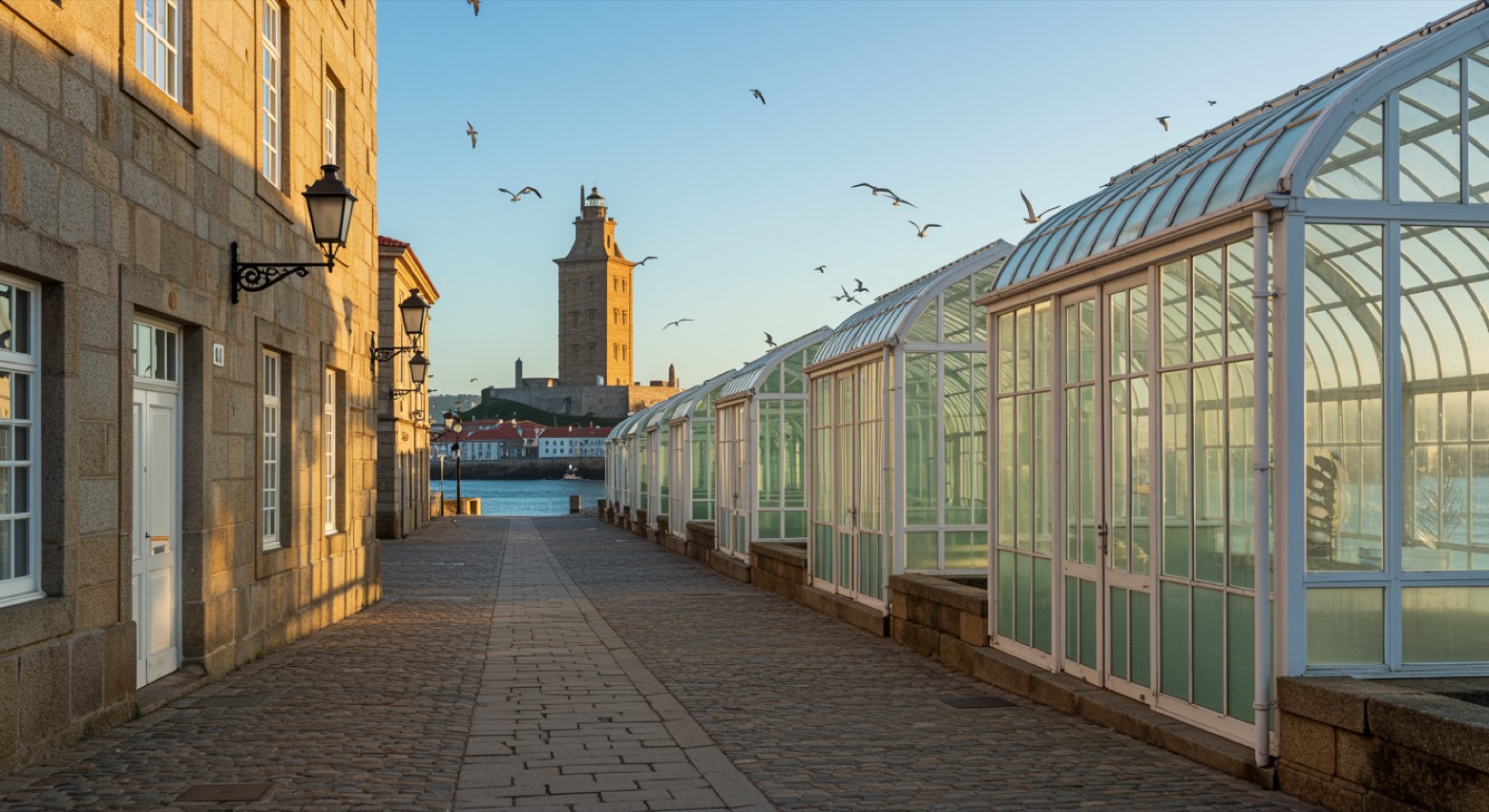 Stage 1
- Distance
- 20 km
- Ascent
- Estimated 800 m
- Descent
- Estimated 700 m
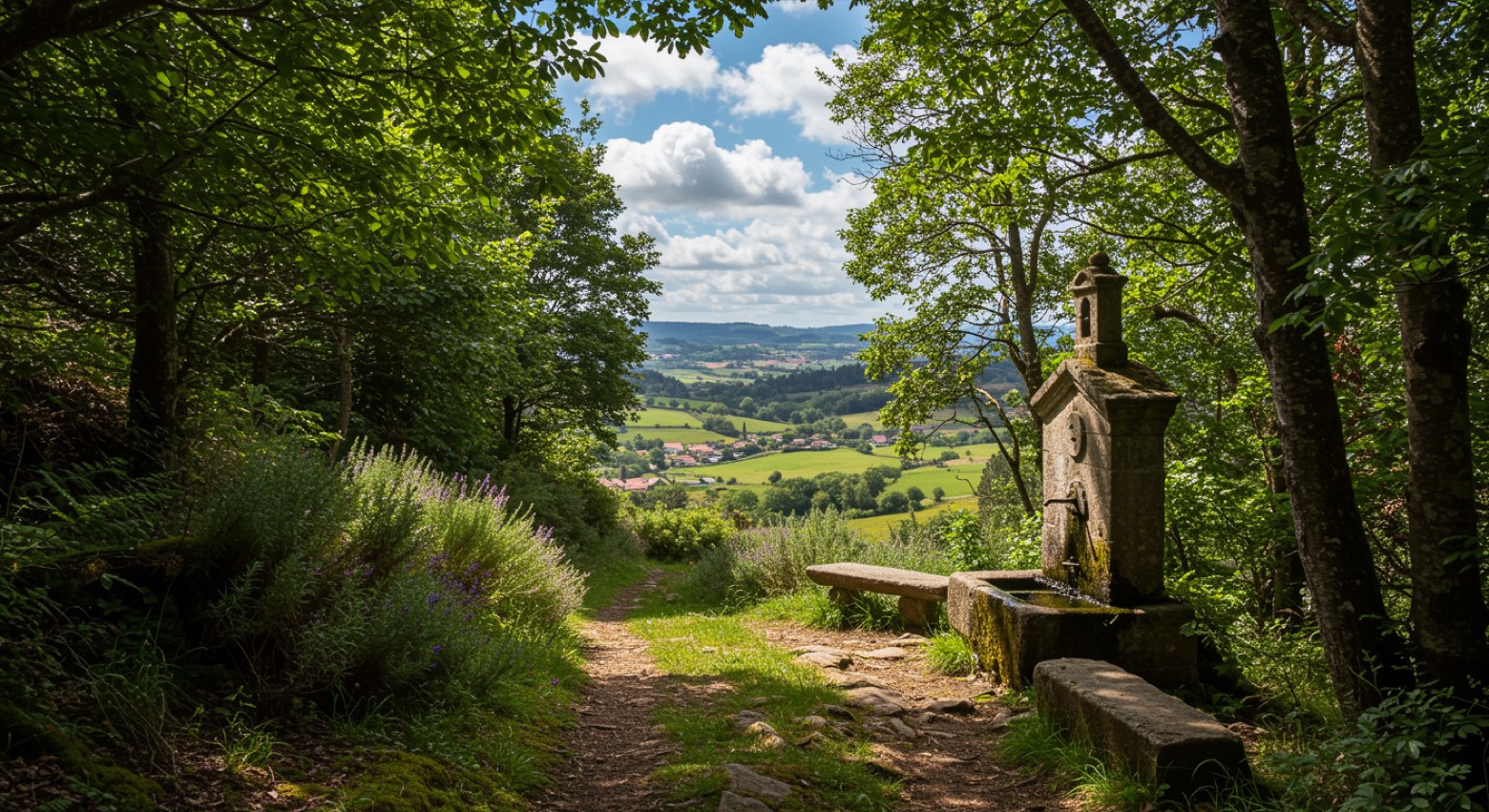
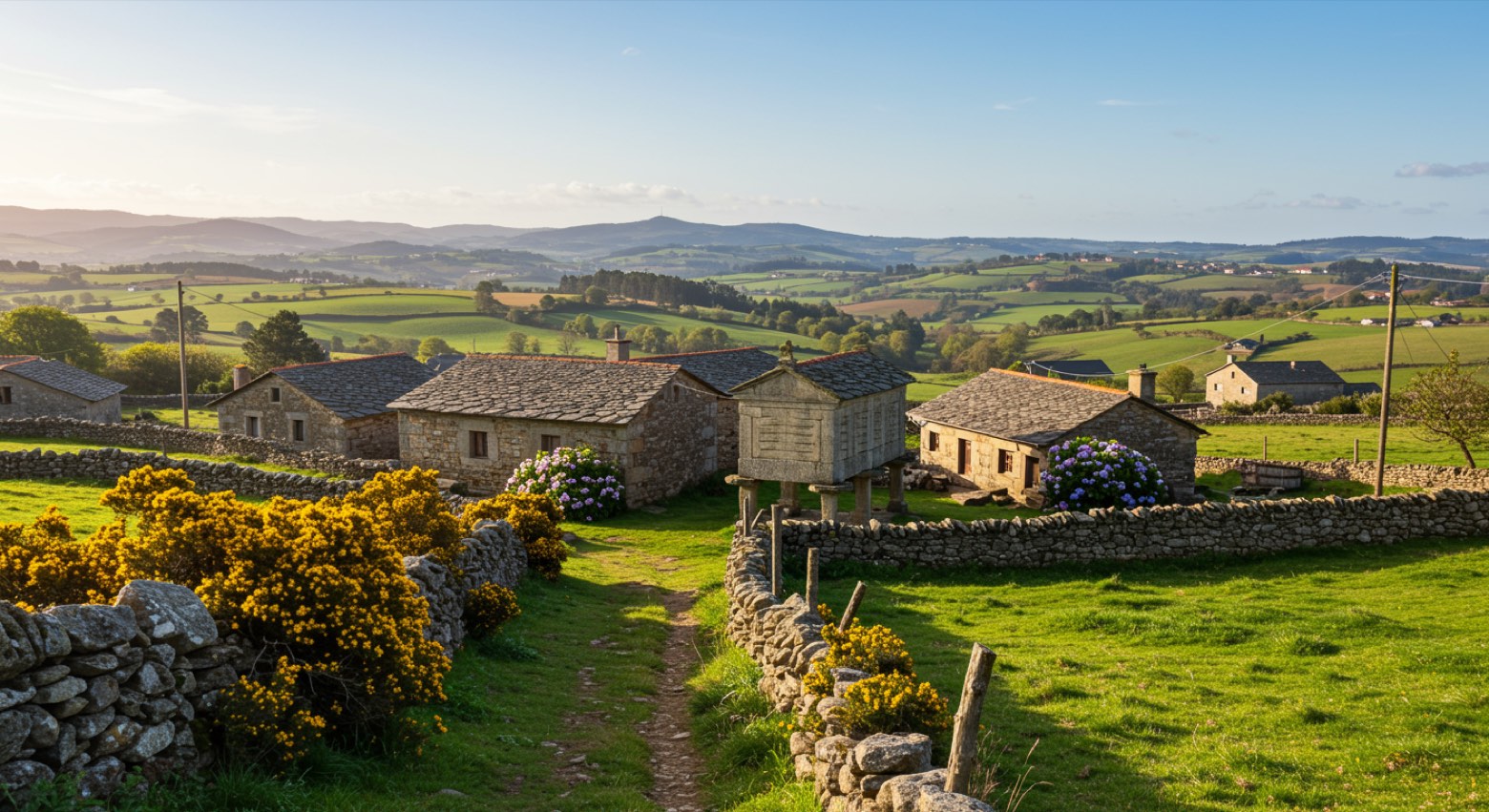 Stage 2
Carral → Mesía
easy- Distance
- 13 km
- Ascent
- 418 m
- Descent
- 153 m
 Stage 3
Mesía → Sigüeiro
easy- Distance
- 24 km
- Ascent
- Estimated 968 m
- Descent
- Estimated 847 m
 Stage 4
- Distance
- 16 km
- Ascent
- Estimated 644 m
- Descent
- Estimated 564 m
Points of interest
- San Martiño Pinario monastery
The second largest monastery in Spain after El Escorial, built around 899 by Benedictine monks and by the sixteenth century the most powerful in Galicia.
- Monastery of Xuvia
Romanesque church of a Cluniac monastery, with three semicircular apses that show a French taste brought by the monks from 1114.
- Torre de Andrade
Tower, in Pontedeume, Spain, designated as bien de interés cultural.
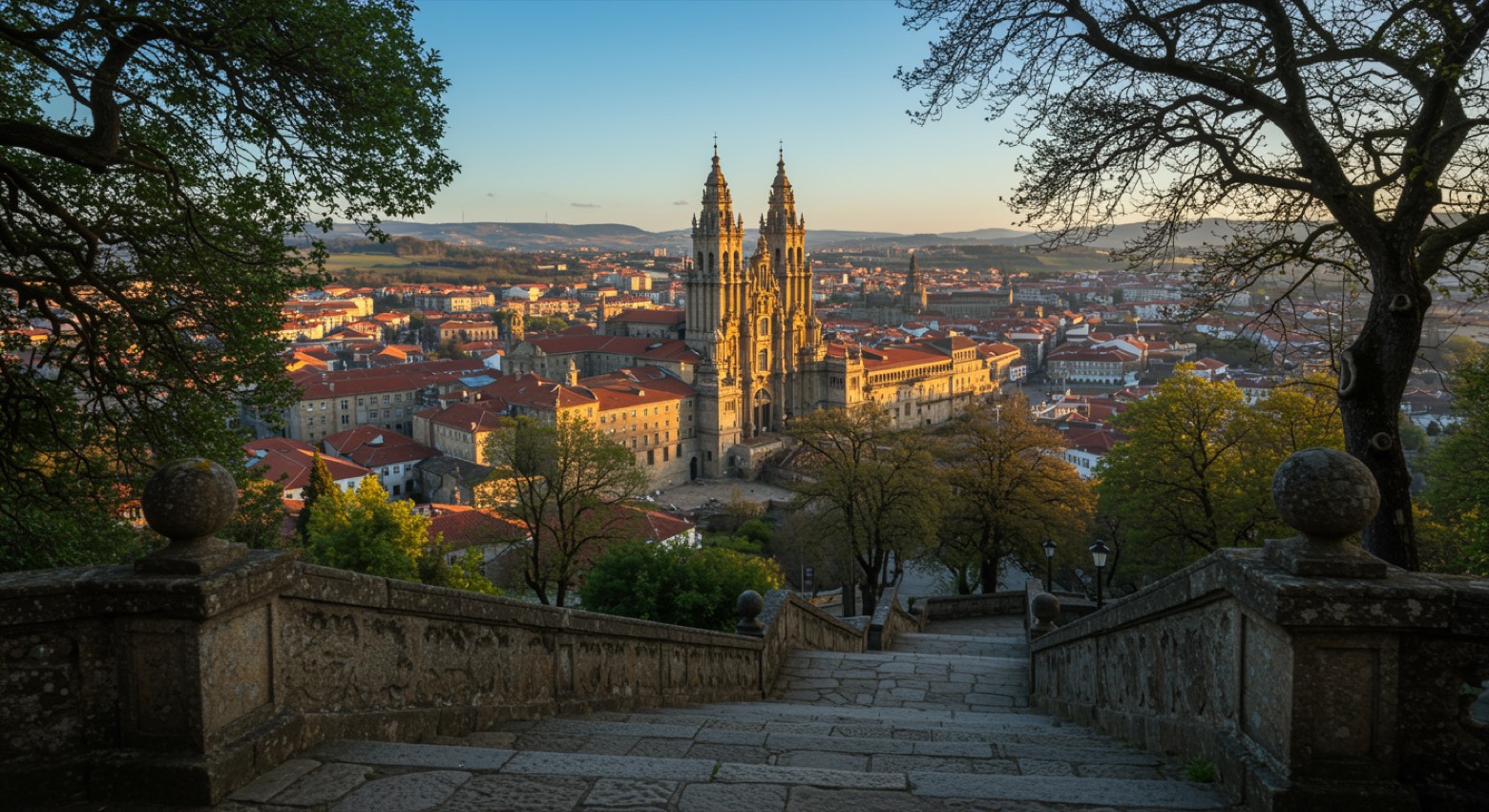
- Sigüeiro Bridge
Bridge, in Santiago de Compostela, Spain, designated as part of UNESCO World Heritage Site.
- Monastery of Saint Pelagius of Antealtares
A Benedictine monastery born to watch over the newly found tomb of the Apostle James, with twelve monks at first.
- Monastery of San Francisco do Val de Deus
A Franciscan convent founded in the early thirteenth century on land the Benedictines of San Martiño Pinario gave in exchange for a basket of fish a year, still delivered in the late 1700s.
- Palacio de Rajoy
18th-century neoclassical architecture palace. Designed by Carlos Lemaur.
- Monument to Saint Francis
20th-century monument, designed by Francisco Asorey, in Santiago de Compostela, Spain, at 256 m elevation, 12 m tall, built in marble.
Travel
Find connections for your cammino.
Search trainsMore walks in Spain
Plan your walking trip
All articles and guidesPilgrimage history
Why does the English Way begin in Galicia?
Two Galician ports, a lost hospital on a bridge and a gift from the Isle of Wight explain the maritime history of the Camino Inglés.
Camino de Santiago
English Way: start in Ferrol or A Coruña?
Ferrol or A Coruña? Both branches of the Camino Inglés meet at Bruma, but they give you quite different first days.
How to choose a walking route: stages, days and ascent
How many days can you actually spend walking? Start there, then choose stages that leave you time to stop along the way.
Take your walk with you: download Appy
Camino Inglés (A Coruña). Explore maps, stages and elevation in the app, and plan your train or bus journey.